
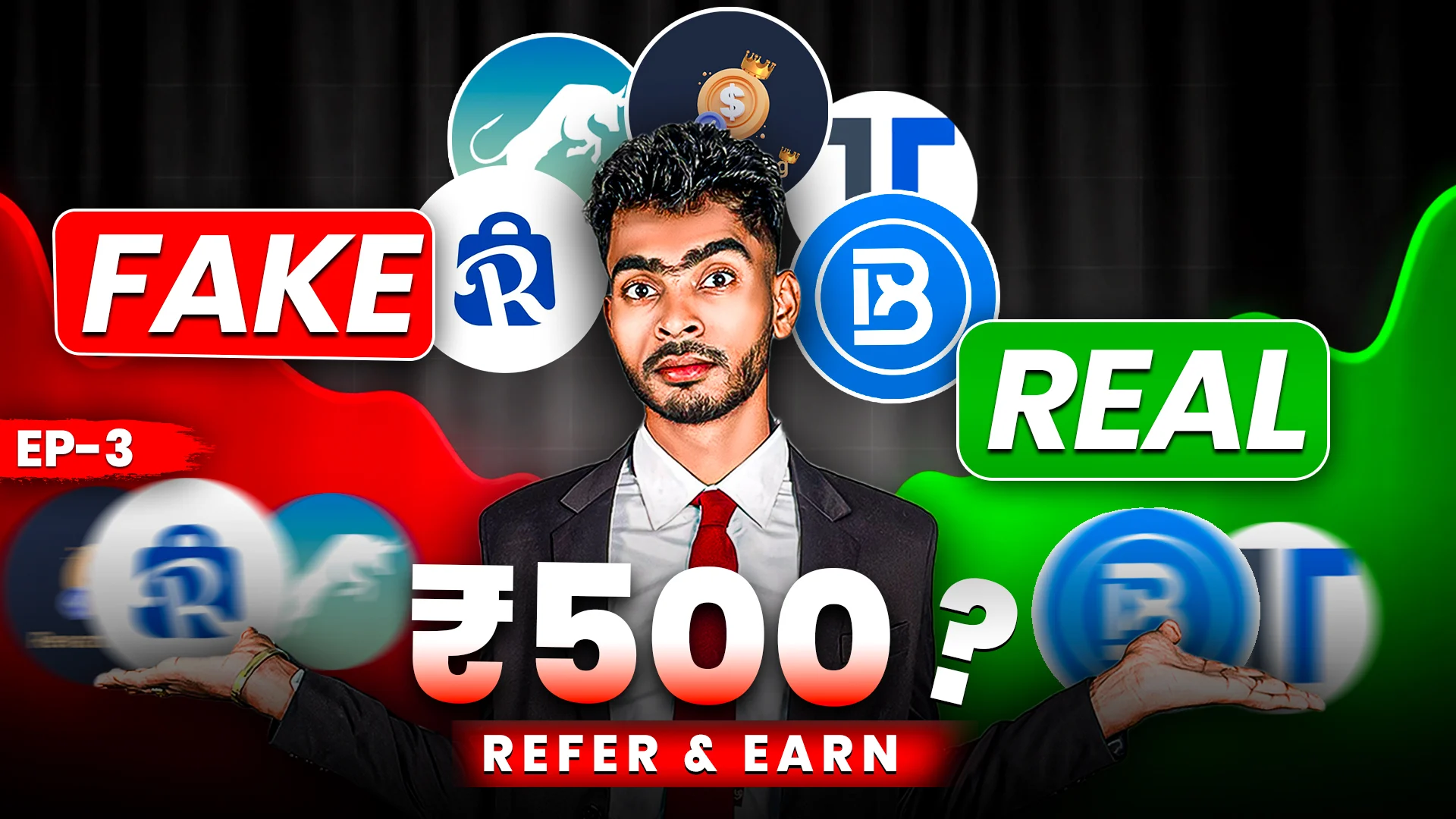
Fake Refer and Earn Apps in India (2026) – Friday Fake Real Episode 3
✍️ Author: Asish Khamaru (✅ Finance Educator) | 🛡️ Focus: Digital Fraud Prevention
The digital landscape is flooded with promises of quick, effortless income. If you spend any time on Telegram earning groups or YouTube finance channels, you are constantly bombarded with links claiming to pay ₹500, ₹1000, or even $20 simply for installing an app and sharing a code. While genuine affiliate programs exist, the reality is that the market is heavily polluted with fake refer and earn apps in India designed to harvest your data, waste your time, or trap your initial deposits.
At LikeOffer, our primary objective is to separate marketing noise from financial reality. In this third episode of our investigative series, Friday Fake Real, we put several highly trending referral campaigns to the ultimate test. We didn't just read their promotional banners; we actively created accounts, completed their mandated tasks, generated referrals, and attempted to withdraw the accumulated funds to our bank accounts.
🚨 Warning to Users
Before proceeding, understand that many applications listed below utilize aggressive "Bait and Switch" tactics. They promise fiat cash but deliver non-withdrawable credits. Do not share your PAN card or Aadhaar details with unverified platforms promising uncharacteristically high signup bonuses.
If you are looking for legitimate, tested opportunities instead of these deceptive platforms, we highly recommend checking out our verified Best Refer and Earn Apps Guide, where we only list applications with proven, consistent bank settlements.
- 1. The Epidemic of Fake Referral Campaigns
- 2. Master Trust: The ₹500 Brokerage Trap
- 3. Flat Trade: The Endless Waiting Cycle
- 4. RD Hub: The Withdrawal Freeze Tactic
- 5. Songeet App: The Paywall Illusion
- 6. BTC Dana: The Impossible Volume Requirement
- 7. Reward King & CDC: Ghost Cashbacks
- 8. How to Spot a Fake Earning App (5 Red Flags)
- 9. Final Investigative Verdict
- 10. Frequently Asked Questions (FAQs)
1. The Epidemic of Fake Referral Campaigns
Why is there a sudden surge in fake earning apps? It comes down to user acquisition metrics. App developers—especially offshore entities operating trading or crypto platforms—need high download numbers to rank on app stores or show traction to investors. By promising exorbitant referral rewards, they attract large numbers of users through aggressive promotional tactics into doing free marketing for them.
Once the user hits the minimum withdrawal threshold, the app deploys backend algorithms to stall the payment. They cite "server issues," "suspicious activity," or simply freeze the account. In the meantime, they have harvested your email, phone number, and potentially sensitive KYC data.
2. Master Trust: The ₹500 Brokerage Trap
The first platform we tested was Master Trust, a demat application that aggressively pushed a promotional banner claiming: "Get Flat ₹500 Per Successful Referral." At first glance, this appeared to be a standard, lucrative acquisition campaign similar to established brokers.
💡 The Reality Check
After successfully onboarding a verified user, we noticed the ₹500 was credited, but the withdrawal button was inactive. Digging through the fine print and confirming with their support team revealed a classic bait-and-switch. The ₹500 was not fiat cash. It was credited exclusively as "brokerage credit." This means you can only use it to offset the fees incurred while actively trading on their platform. It cannot be withdrawn to a bank account. For a user seeking passive referral income, this campaign is fundamentally misleading.
3. Flat Trade: The Endless Waiting Cycle
Next on our list was Flat Trade, another financial application promising a ₹200 reward per referral. Unlike instant payment apps, their official terms stated that rewards would be consolidated and disbursed during the first week of the subsequent month.
We executed multiple verified referrals in January, ensuring all KYC parameters were met by the invited users. However, when the first week of February arrived, the wallet remained at zero. As of late February, despite multiple support tickets, the referral rewards have not materialized. Promises of "delayed batch processing" are a common tactic used by unstable platforms to delay user backlash.
4. RD Hub: The Withdrawal Freeze Tactic
Moving away from Demat accounts, we tested RD Hub, a heavily promoted micro-tasking application. The premise is simple: download other apps, complete surveys, and earn coins that convert to UPI cash.
The earning phase functioned perfectly; we easily accumulated the required coin threshold. The scam became apparent during the liquidation phase. Upon requesting a UPI withdrawal, the system accepted the request but perpetually locked it in a "Pending" state. The backend system is designed to allow you to earn digital points, creating a false sense of progress, but the API connecting to the actual banking payout gateway is intentionally disconnected.
5. Songeet App: The Paywall Illusion
Perhaps the most concerning application in this episode was Songeet. This app markets itself as a "Listen and Earn" platform, claiming users can generate income simply by listening to music and answering basic questions.
The critical red flag here is the paywall. Before you can access these "earning tasks," the app demands an upfront subscription fee. We paid the nominal fee to investigate. Immediately after the payment cleared, the promised high-paying tasks vanished or threw constant server errors. This is a predatory model where the developer's entire revenue is generated from users paying the entry fee, with zero intention of paying out rewards.
6. BTC Dana: The Impossible Volume Requirement
Offshore trading platforms frequently utilize referral campaigns to target novice investors. BTC Dana launched a campaign offering a seemingly massive $20 trading reward for new sign-ups and referrers.
The trap lies in the "volume requirement." The $20 is locked until the user completes over 100 executed trades. Due to the high spreads (the difference between buy and sell prices) and mandatory trading fees on this specific platform, executing 100 trades mathematically guarantees that the user will lose significantly more than the $20 reward in trading costs. It is an algorithmic trap designed to drain the user's initial deposit.
7. Reward King & CDC: Ghost Cashbacks
We concluded our testing with two final apps: Reward King and a specific CDC Mutual Fund Cashback Campaign.
- Reward King: Operated identically to RD Hub. The dashboard beautifully displays your accumulating referral wealth, but every single withdrawal request is met with an automated "System Busy" or "Pending Review" error.
- CDC Campaign: This offer promised a flat ₹100 cashback upon completing a specific mutual fund investment task. We followed the complex, multi-step tracking instructions perfectly, executed the investment, and waited. The tracking link simply failed to register the conversion, leaving us with an unwanted investment and zero cashback.
8. How to Spot a Fake Earning App (5 Red Flags)
After testing dozens of these platforms, we have identified consistent patterns. If you want to protect your time and data while hunting for the latest active campaigns, watch out for these five indicators:
- Upfront Payments: Legitimate referral programs pay you. If an app asks for a VIP upgrade, activation fee, or mandatory subscription before you can withdraw, it is a scam.
- Astronomical Rewards: If an unknown app offers ₹1,000 for a simple email sign-up, it is mathematically unsustainable and fake. High rewards (like Angel One or Upstox) always require strict financial KYC and trading steps.
- Vague Reward Definitions: As seen with Master Trust, always check if the reward is "Withdrawable Bank Cash" or just restricted "In-app Credit/Bonus."
- Absurd Withdrawal Limits: If an app gives you ₹50 for signing up but sets the minimum withdrawal limit at ₹5,000, they know you will give up before ever reaching it.
- Missing Support Channels: Genuine apps have transparent grievance redressal systems. Fake apps usually have a generic Gmail address that never responds to payout queries.
9. Final Investigative Verdict
The conclusion of Friday Fake Real Ep 3 is stark: the vast majority of viral earning links floating around unmoderated social media groups are deceptive. Platforms like Flat Trade, RD Hub, and Songeet rely on complex conditions, withdrawal freezes, or outright paywalls to exploit users. If you are serious about generating secondary digital value, stick to verified, transparent platforms operated by SEBI-regulated entities or established e-commerce giants. Stop doing free marketing for offshore developers who have no intention of honoring their financial commitments.
⚠️ Scam Awareness & Disclaimer
This investigative report is published strictly for educational and fraud-prevention purposes. The operational statuses and payout behaviors of the applications mentioned (Master Trust, Flat Trade, BTC Dana, etc.) are based on our independent testing during this specific review cycle. Application policies and algorithms can change. We strongly advise our readers to never deposit personal funds, share OTPs, or upload sensitive KYC documents (PAN/Aadhaar) to unverified or newly launched applications without conducting thorough, independent research.
10. Frequently Asked Questions (FAQs)
1. Why do fake earning apps ask for my PAN and Aadhaar details?
While legitimate financial apps require KYC by law, fake offshore apps collect PAN and Aadhaar data to sell to third-party data brokers or to use in identity theft operations. Never upload government documents to an app unless you verify it is registered with the RBI or SEBI.
2. Are all task-based earning apps scams?
No. There are legitimate micro-tasking and affiliate platforms (like Earnpati or specific survey apps) that consistently process payouts. However, if an app forces you to pay a fee to unlock a task, or sets an impossibly high minimum withdrawal limit, it is highly likely to be a scam.
3. What should I do if my money is stuck in one of these fake apps?
If you have paid money via UPI or credit card, you can attempt to raise a chargeback or fraud dispute with your bank immediately. However, if you "earned" digital coins that the app refuses to convert to fiat currency, unfortunately, there is no legal recourse as the digital points hold no legal tender value.
Like Offer Active Campaigns

Catcash
Official Telegram
Short-time loot aur 100% verified earning tricks sabse pehle paane ke liye join karein Like Offer Official! 💎
Join Community Now